
More Than Words: How AAC and PECS Help Children Communicate
By Sydney Geyer
As parents, one of the most emotional challenges can be not fully understanding what your child is trying to communicate. Whether your child is on the autism spectrum or has another neurological difference, communication may not always come easily, but that does not mean your child has nothing to say.
Tools like Augmentative and Alternative Communication (AAC) and the Picture Exchange Communication System (PECS) can open powerful doors for children who struggle with verbal communication. These supports are not “last resorts”, they are evidence-based strategies that help children express needs, reduce frustration, and build meaningful connections.
What Is AAC?
AAC refers to any form of communication that supports or replaces spoken language. This can include:
Picture boards
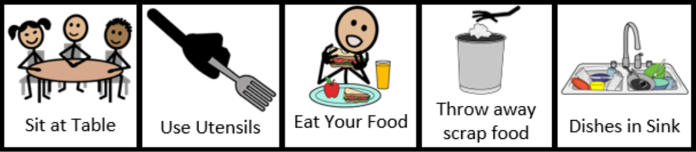
Visual schedules
Communication apps on tablets
Simple gestures or sign language
AAC exists on a spectrum, from low-tech tools like
printed visuals to high-tech speech-generating devices.
What Is PECS?
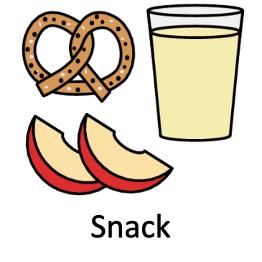
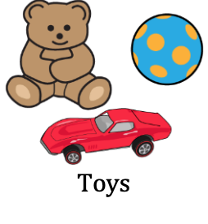
PECS is a specific type of AAC that teaches children to communicate using pictures. Instead of pointing or becoming frustrated, a child hands a picture (for example, a snack or toy) to a communication partner to express a request.
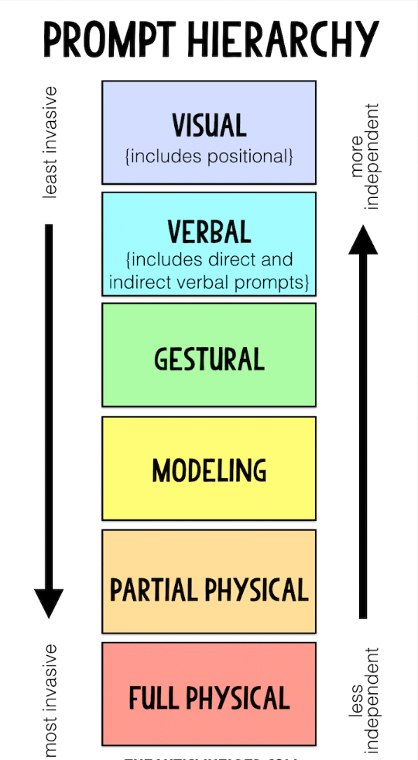
PECS is structured in phases and is designed to:
Teach intentional communication
Encourage initiation (your child starts the interaction)
Build toward more complex language over time
Why AAC and PECS Matter
Many parents worry: “Will using AAC stop my child from talking?”
Research consistently shows the opposite.
AAC supports speech development rather than replacing it. According to studies in journals such as Augmentative and Alternative Communication and Journal of Autism and Developmental Disorders, children who use AAC often:
Show increased communication attempts
Experience reduced frustration and behavior challenges
May develop spoken language alongside AAC use
At its core, communication is about connection, not just speech.
Reducing Frustration and Behavior
When children cannot express their needs, behavior often becomes their form of communication.
Think about it this way:
A child who cannot say “help” may cry or throw items
A child who cannot say “all done” may run away or shut down
Your visual supports already target these exact needs. Words like “help,” “take a break,” and “finished” give children a clear, functional alternative to behavior.
This shift, from behavior to communication, is one of the most powerful outcomes of AAC.
Building Communication Into Daily Routines
AAC and PECS are most effective when they are part of everyday life, not just therapy sessions.
Your routine chart is an excellent example of how to do this. Daily sequences like:
“Brush teeth”
“Get dressed”
“Eat breakfast”
“Bedtime story”
Help children:
Understand expectations
Predict what comes next
Participate more independently
This is called a visual schedule, and it is a cornerstone of AAC use.
What This Looks Like at Home
Here are simple, realistic ways parents can start using AAC and PECS:
1. Start With Core Needs
Use visuals for high-frequency words:
Help
More
All done
Eat
Bathroom
These are immediately motivating and functional.
2. Model, Don’t Test
Instead of asking, “What do you want?”, show them:
Point to “more” while giving more snack
Hand them the “help” card when they struggle
Children learn AAC the same way they learn speech, through exposure and modeling.
3. Keep It Accessible
Place visuals where they are needed:
Bathroom icons near the bathroom
Snack choices in the kitchen
Routine charts in bedrooms or common areas
If it’s not easily available, it won’t be used.
4. Follow Your Child’s Motivation
Communication grows fastest when it is meaningful.
If your child loves a specific toy or snack, start there.
5. Celebrate All Communication
Whether your child:
Hands a picture
Points to a symbol
Uses a device
…it all counts. Communication is communication.
AAC Is for Every Child Who Needs It
AAC is not only for children who are nonverbal. It can support:
Children with limited speech
Children with unclear articulation
Children who struggle with language processing
Even very young children still developing language
It meets your child where they are, and grows with them.
A Shift in Perspective
One of the most important mindset shifts for parents is this:
Your child is not “behind”, they are communicating differently.
AAC and PECS do not limit your child. They give your child a voice.
Final Thoughts
Every child deserves to be understood.
By using tools like AAC and PECS, along with supports like visual schedules and communication icons, you are not just teaching communication skills. You are:
Reducing frustration
Building independence
Strengthening your relationship with your child
Most importantly, you are showing your child: “I hear you. Your voice matters.”
References:
American Speech-Language-Hearing Association (ASHA). (n.d.). Augmentative and alternative communication (AAC).
Bondy, A., & Frost, L. (1994). The Picture Exchange Communication System. Focus on Autism and Other Developmental Disabilities, 9(3), 1–19.
Ganz, J. B., et al. (2012). A meta-analysis of PECS with individuals with ASD. Journal of Autism and Developmental Disorders, 42(1), 60–80.
Millar, D. C., Light, J. C., & Schlosser, R. W. (2006). The impact of AAC on speech development. Augmentative and Alternative Communication, 22(1), 21–34.
Romski, M., & Sevcik, R. (2005). Augmentative communication and early intervention. Mental Retardation and Developmental Disabilities Research Reviews, 11(3), 174–181.